

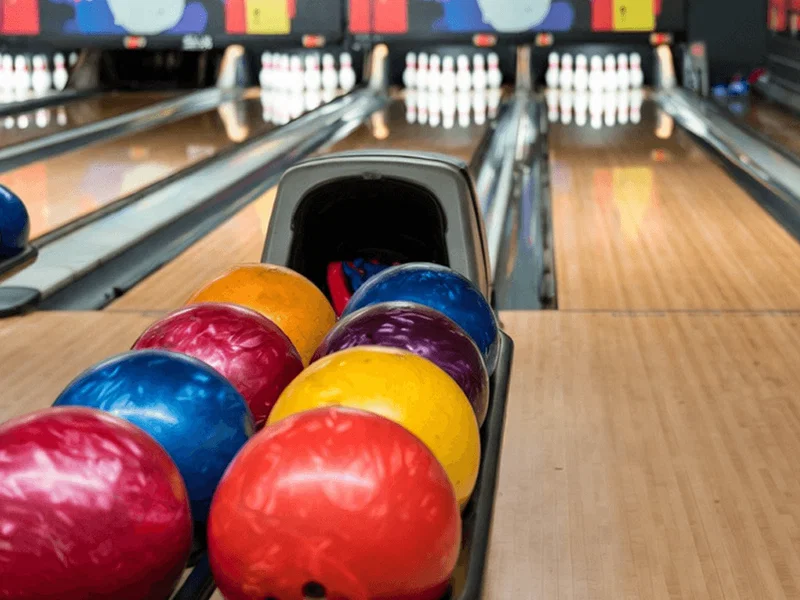
Revenue growth does not always require a new attraction. Often, the fastest gains come from fixing what is already happening inside the business.
Revenue Is Often Hiding in Plain Sight
Bowling centers and family entertainment venues are complex businesses. Revenue can come from lanes, attractions, arcade play, food and beverage, parties, leagues, group events, camps, fundraisers, and seasonal promotions. That variety creates opportunity—but it also creates places for money to quietly slip away.
The most expensive revenue leaks are rarely dramatic. They appear as an underpriced Saturday package, an empty bank of lanes on a Tuesday afternoon, a party inquiry that never receives a follow-up, or a website visitor who cannot find a clear next step. Individually, each missed opportunity may seem small. Across an entire year, the impact can be significant.
Here are seven common leaks operators should examine before assuming growth depends on spending more or adding something new.
1. Using One Price for Unequal Demand
Every hour of lane and attraction capacity does not have the same value. A Saturday evening slot and a Wednesday afternoon slot face different levels of demand, yet many venues price them too similarly.
Strategic pricing does not mean charging the highest possible rate. It means protecting high-demand periods while giving guests a compelling reason to visit during slower ones. Review revenue and utilization by daypart, then consider peak pricing, off-peak packages, minimum spends, or value-added offers. The goal is to make price support demand instead of working against it.
2. Offering Packages That Are Difficult to Compare
Guests buy faster when choices are clear. Packages with overlapping benefits, inconsistent names, or long lists of exceptions create hesitation—especially for parents and event planners comparing several venues.
A good package ladder usually gives buyers three clear options. Each level should solve a different need and make the value of upgrading obvious. Premium packages can include high-margin conveniences such as additional arcade value, upgraded food, reserved space, dedicated hosts, or extra play time. Clear packaging improves conversion while reducing the amount of staff explanation required.
3. Letting Slow Periods Stay Slow
An empty lane or unused attraction is perishable inventory. Once the hour passes, that revenue opportunity disappears.
Instead of applying a blanket discount, match each slow period with an audience that is available then. Homeschool groups, seniors, remote teams, local employers, school organizations, youth programs, and service-industry workers may have schedules that differ from the typical weekend guest. Build a relevant offer for a specific audience, promote it directly, and measure whether it adds profitable traffic rather than shifting visits from busier periods.
4. Missing the Second Sale
The initial purchase is only part of a guest’s potential value. Food, beverages, arcade play, attraction upgrades, merchandise, and future visits can materially increase revenue per guest.
Review the buying journey from reservation through departure. Are upgrades offered during online checkout? Can party hosts add food without making a phone call? Are staff members trained to recommend one relevant add-on? Is there a post-visit offer that encourages a return? The strongest upsells feel useful, not forced: they make the visit easier, more complete, or more memorable.
5. Making Guests Work Too Hard to Book
A website can look attractive and still lose revenue. Hidden pricing, unclear package differences, slow mobile pages, unanswered questions, or a booking process that ends with “call us” all introduce friction.
Treat the website as a sales channel. A visitor should quickly understand what is offered, who it is for, what it costs, and how to reserve it. Use focused landing pages for birthdays, corporate events, fundraisers, and group outings. Put the most important information near the decision point, and test the process on a phone from the perspective of a first-time guest.
6. Failing to Follow Up
Many group and event sales require more than one interaction. If inquiries remain in an inbox or depend on an employee remembering to call, qualified prospects will be lost.
Create a simple follow-up system with clear ownership and timing. An immediate confirmation can set expectations. A useful second message can answer common questions or share package options. A final reminder can create a reason to act. Email and SMS automation can support the process, but the message should still feel timely and relevant to the inquiry.
7. Measuring Activity Instead of Revenue
Likes, website visits, email opens, and coupon redemptions may be useful signals, but none of them automatically equals profitable growth.
Connect marketing activity to outcomes: qualified leads, bookings, average transaction value, utilization, repeat visits, and contribution margin. Review performance by revenue stream and campaign. When operators can see which offers, audiences, and channels produce actual sales, they can stop funding activity that looks busy and invest more confidently in what works.
Start With a Revenue Opportunity Assessment
Before launching another promotion, look across the entire revenue system: pricing, capacity, packages, customer segments, booking experience, follow-up, and reporting. Fixing even one recurring leak can create gains that compound throughout the year.
Strike Point Partners helps bowling centers and family entertainment venues uncover overlooked opportunities and build practical growth systems around the assets they already have.
Ready to identify where revenue may be slipping away? Schedule a Revenue Growth Consultation with Strike Point Partners.